Why Montessori?
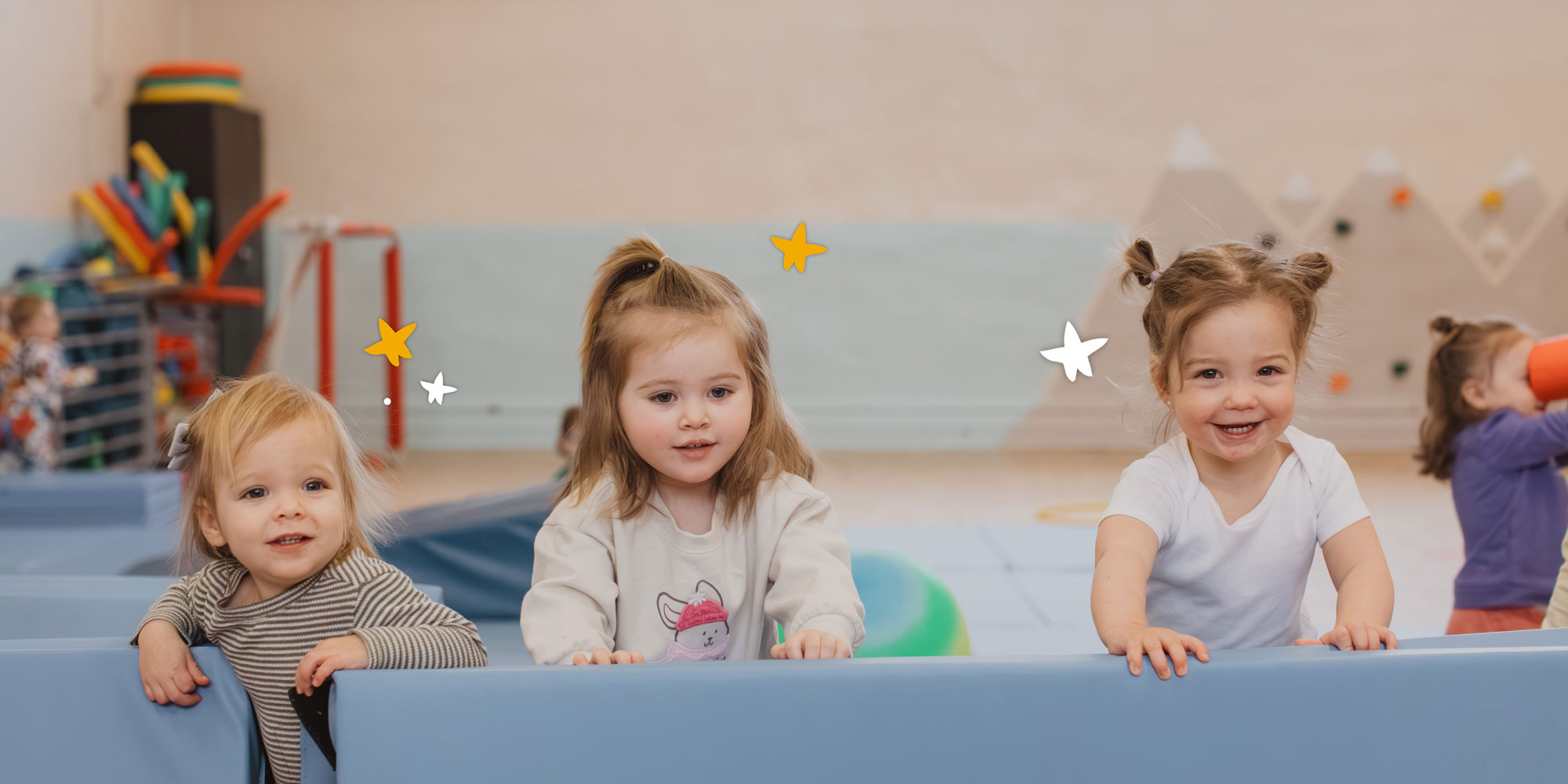
The Montessori Philosophy
Montessori is an individualized approach to education for children from toddler through high school that helps each child reach full potential in all areas of life. It is a student-centered approach that encourages creativity and curiosity and leads children to ask questions, explore, investigate and think for themselves as they acquire skills.
Montessori is a system of education that is based in the philosophy of child growth and the rationale for guiding such growth. It is based on each child’s developmental needs for freedom within limits and takes place within a carefully prepared environment. The prepared environment guarantees exposure to materials and experiences that develop intelligence, as well as physical and psychological abilities. The system is designed to nurture and develop the unique ability of young children to develop their own capabilities and to self-motivate. Children need adults to expose them to the possibilities of their lives, but the children themselves must direct their responses to those possibilities.
Comparing the Classrooms
What Makes Montessori Education Unique?
- The “Whole Child” Approach: The primary goal of a Montessori program is to help each child reach full potential in all areas of life. Activities promote the development of social skills, emotional growth, and physical coordination as well as cognitive preparation. The holistic curriculum, under the direction of a specially prepared teacher, allows the child to experience the joy of learning, ensures the development of self-esteem, and provides the experiences from which children create their knowledge.
- The “Prepared Environment”: In order for self-directed learning to take place, the whole learning environment-room, materials and social climate-must be supportive of the learner. The teacher provides necessary resources, including opportunities for children to function in a safe and positive climate. The teacher thus gains the children’s trust, which enables them to try new things and build self-confidence.
- The Montessori Materials: Dr. Montessori’s designed a number of multi-sensory, sequential and self-correcting materials based on her observations of the activities that the children enjoyed the most. These materials facilitate the learning of practical skills and abstract concepts.
- The Teacher: Originally called a “Directress”, the Montessori teacher functions as designer of the environment, resource person, role model, demonstrator, record-keeper and meticulous observer of each child’s behaviour and growth.

Montessori education is grounded in the following principles:
- Children are to be respected as different from adults and as individuals who differ from each other.
- Children possess unusual sensitivity to and mental powers for absorbing and learning from their environment.
- The most important years of growth are the first six years of life, when unconscious learning is gradually brought to conscious level.
- Children have a deep love and need for purposeful work. The child works for the sake of the activity itself and it is this activity that accomplishes the most important goal for the child: the development of his or her mental, physical and psychological powers.
Our Goals
The Montessori curriculum varies by program but the following goals are consistent throughout our school:
- To encourage the self-motivation and self-discipline that will lead to a life-long pursuit of knowledge.
- To lead children to mastery of precisely identified intellectual, social, and physical skills.
- To enter into a partnership with parents in the education of their children.
- To help children develop a positive self-image as the key to the development of their full potential.
- To foster open minds, compassion, and respect for others.
- To balance self-reliance, independence, and freedom with the skills of working cooperatively.
- To instill in each child a sense of duty and personal responsibility for the world in which we live.

Maria Montessori
Became the first female physician in Italy upon her graduation from medical school in 1896. Her interests drew her to work with children in her medical practice. Her clinical observations led her to analyze how children learned, and she concluded that they build themselves from what they find in their environment.
In 1904 became a professor of anthropology at the University of Rome. Her desire to help children was so strong, however, that in 1906 she gave up both her university chair and her medical practice to work with a group of sixty young children of working parents in the San Lorenzo district of Rome. It was here that Montessori observed children’s almost effortless ability to absorb knowledge from their surroundings, as well as their tireless interest in manipulating materials. These observations ultimately provided the foundation of what developed as the Montessori Method of Education. Every piece of equipment, every exercise, and every method Montessori developed was based on what she observed children to do “naturally,” by themselves, unassisted by adults. Montessori called this classroom Casa dei Bambini, or “Children’s House.”
Notable Montessori Grads Special Exhibition
The Notable Montessori Grads exhibit is a special on-site installation that celebrates the lasting impact of a Montessori education. This exhibit features posters highlighting individuals who began their journeys in Montessori environments and went on to make meaningful contributions in their fields and communities. From globally recognized figures to inspiring local alumni, each story reflects the same foundation: a belief in the potential of every child.
This exhibition is a tribute to the enduring legacy of Maria Montessori, whose vision has made a lasting impact on education and on the lives of children across the globe.
Click through to view our special exhibit
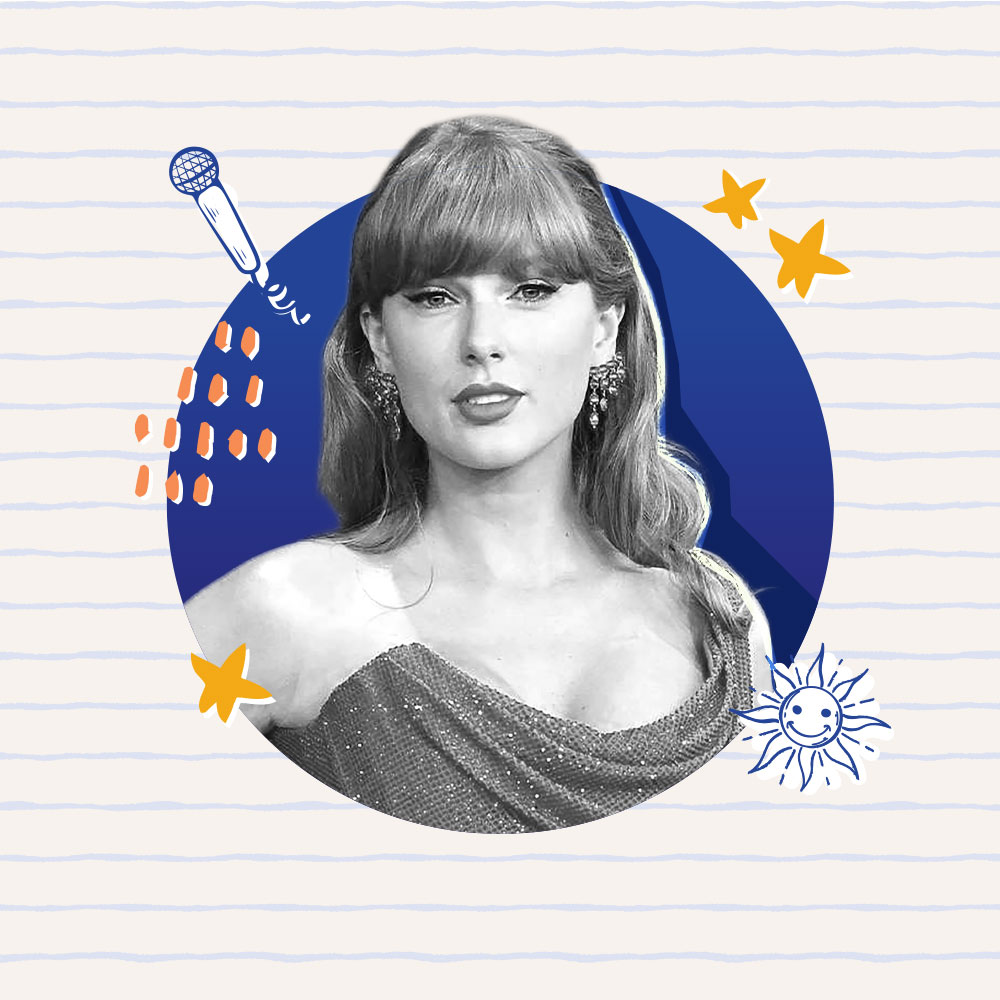
Taylor Swift
Award-winning singer and songwriter
From an early learner to a world-renowned artist, Taylor Swift’s journey reminds us that Montessori helps children develop confidence in their own voice and ideas.

Eric Struk
Travel creator and digital storyteller
From an early learner to a global storyteller, Eric Struk’s journey reminds us that Montessori sparks curiosity and a love of exploring the world.

Lauren Kyle
Interior designer and entrepreneur
From an early learner to a creative visionary, Lauren Kyle’s journey reminds us that Montessori inspires imagination and brings ideas to life.

Stephen Curry
Professional basketball player
From an early learner to a world-class athlete, Stephen Curry’s story reminds us that Montessori sparks curiosity, discipline, and a love of learning every day.
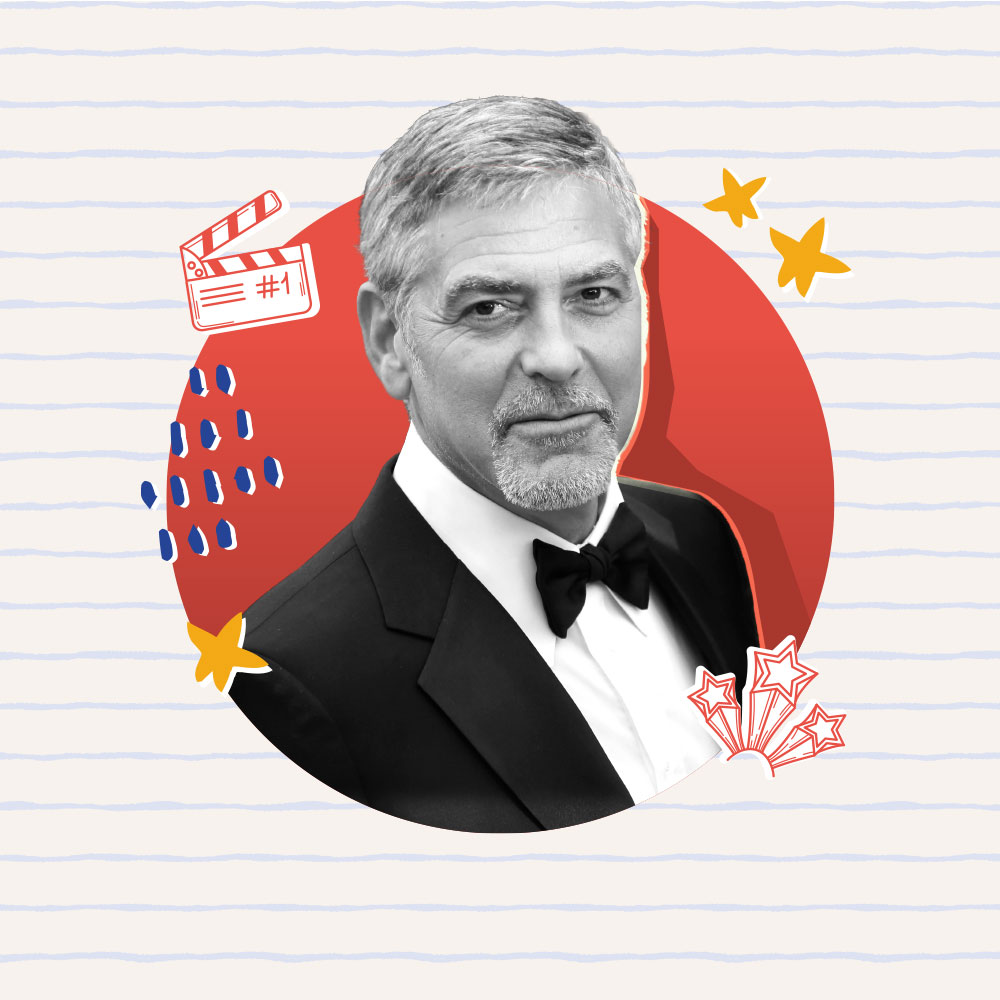
George Clooney
Actor, filmmaker, and humanitarian
From an early learner to a world-renowned storyteller, George Clooney’s story reminds us that Montessori inspires creativity, independence, and bold ideas.
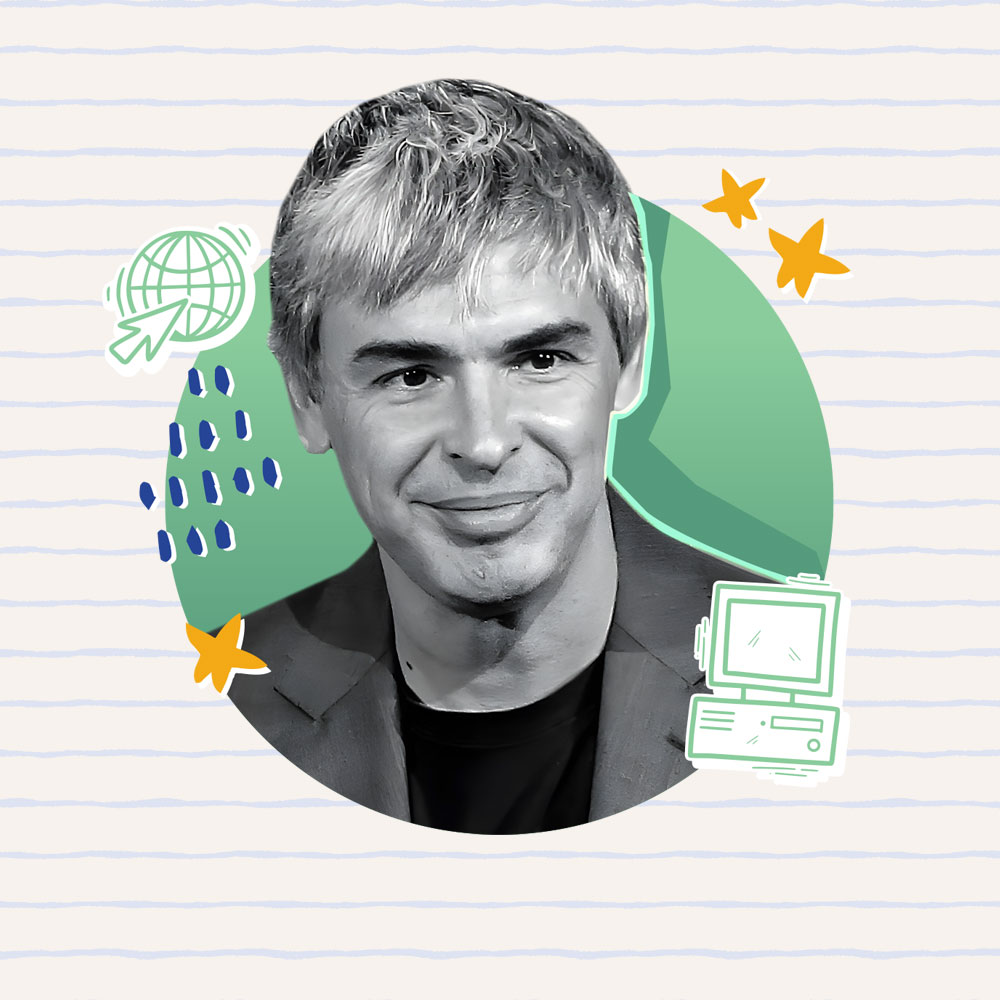
Larry Page
Computer scientist and co-founder of Google
From a Montessori classroom to co-founding Google, Larry Page’s journey reminds us that Montessori empowers children to think differently, solve big problems, and transform bold ideas into innovations that change the world.
More Notable Montessori Grads
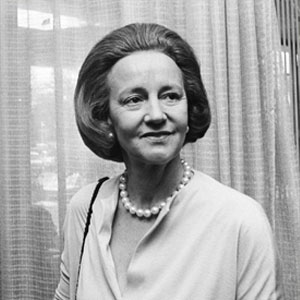
Katherine Graham
American publisher
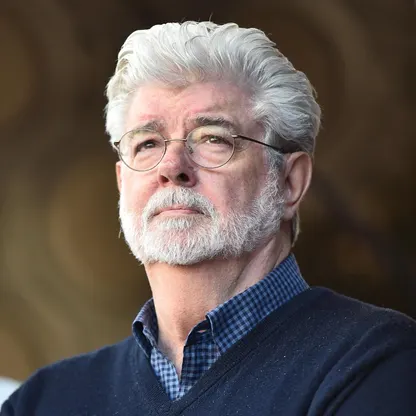
George Lucas
Creator of Star Wars
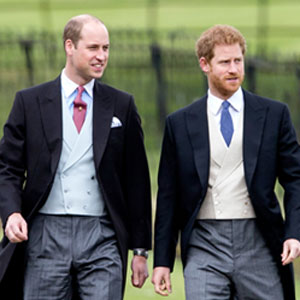
Prince William & Prince Harry
Duke of Cambridge and Duke of Sussex
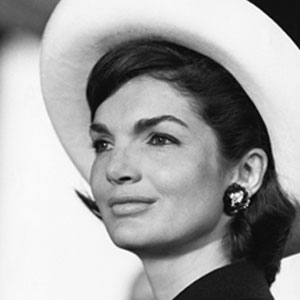
Jacqueline Bouvier Kennedy Onassis
Former first lady (John F. Kennedy)
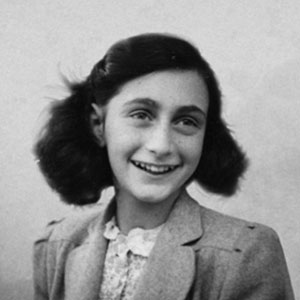
Anne Frank
Author, diarist from World War II

Julia Child
Chef, author and television personality
Local Testimonials
“Miss Laura and Miss Lori, Thank You! Alexander still has two months with you guys, but thank you for such an incredible 2.5 years! It makes me want to cry. Your school built my kid!!! He is what he is because of your amazing staff! ok… a bit of Mom too lol. I will forever support Montessori! Way to go! Cheers to a beautiful summer. Thanks again!” – Melanie Proulx, Parent
“Montessori isn’t daycare, it’s school, and there was no other consideration. I did some research and Montessori matched my beliefs about learning. To me, investing in pre-school is more important than Post-Secondary, and much cheaper! Between 2 & 6 is such a critical time to develop those key skills we have as adults. The independence, the role models, it’s the perfect complement to our family.” – Mark Browning, Parent
“Our daycare closed so we researched where our son Dante would go. We chose Montessori for the small classes, teachers, and individual attention he’d get. By far, his major growth has been communication. In English & French. I’m blown away when I hear him singing in French or reciting numbers. Dante’s confident, respectful and so happy, thanks to the skills he’s been taught. We couldn’t be happier with our decision!” – Kathy Svalina-Grottoli, Parent